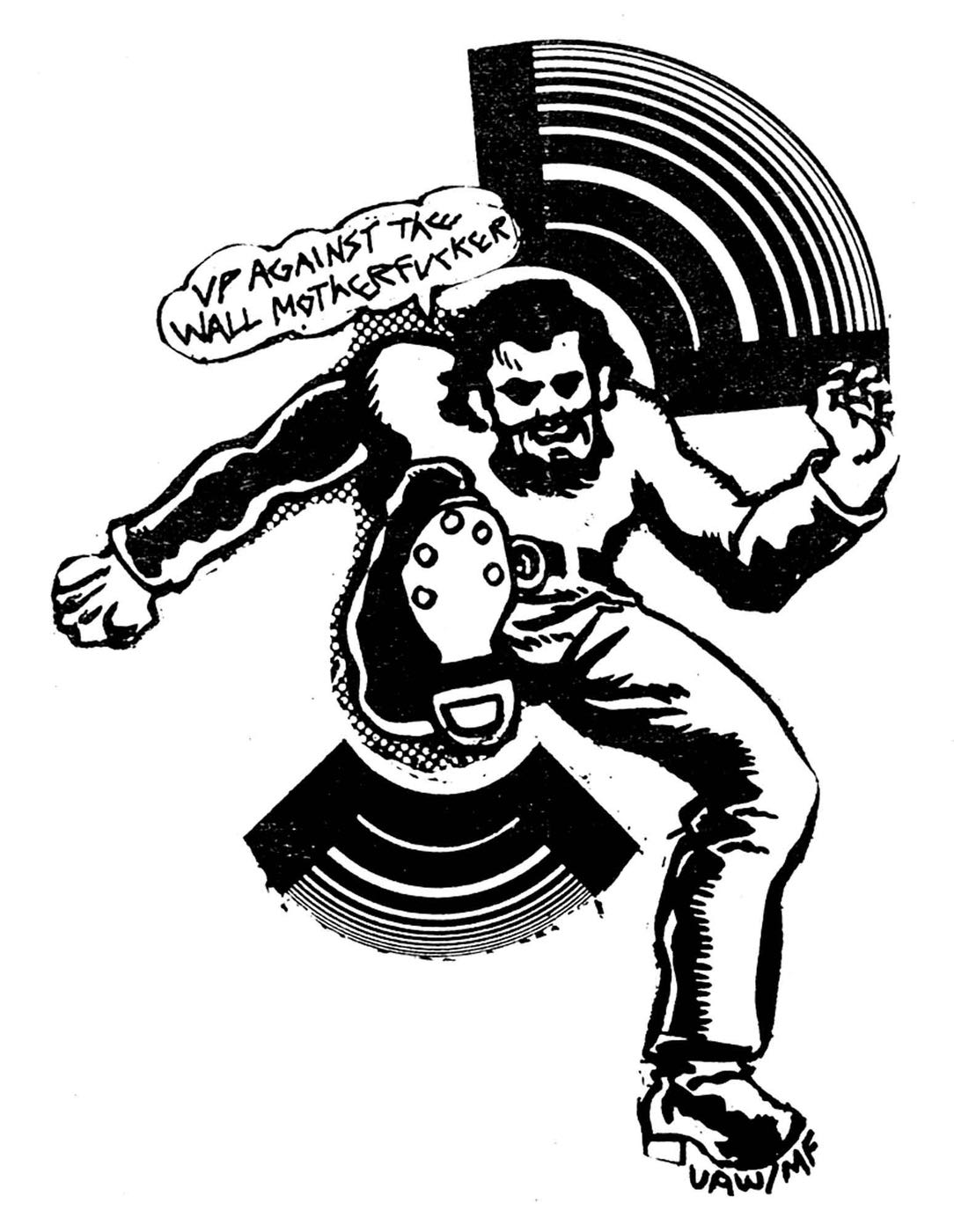

Ben Morea has passed away. Known for his participation in Up Against the Wall Motherfucker, the self-styled “street gang with an analysis” active in the Lower East Side of Manhattan in the late 1960s, he withdrew from the city and pursued a path into revolutionary animism. In the following eulogy, Tasos Sagris of Void Network recounts Ben’s subsequent visit to Exarchia, the Athenian neighborhood famed as a hotbed of anarchism.
Today, the Exarchia that Tasos describes has also changed. To mourn a person is to mourn an entire vanished world. Yet, as Tasos explores, there is a silver thread that connects Ben’s life and the legacy of Exarchia to our own present and possible future.
Ben Morea is dead, motherfuckers.
To many of us in Void Network, Ben was not simply an old revolutionary from another era, nor a nostalgic remnant of the American counterculture. He was one of those rare human beings who attempted to transform rebellion into a total form of life—to erase the borders between self and other, poetry and insurrection, art and survival, to bring global social revolution to the streets of the metropolis.
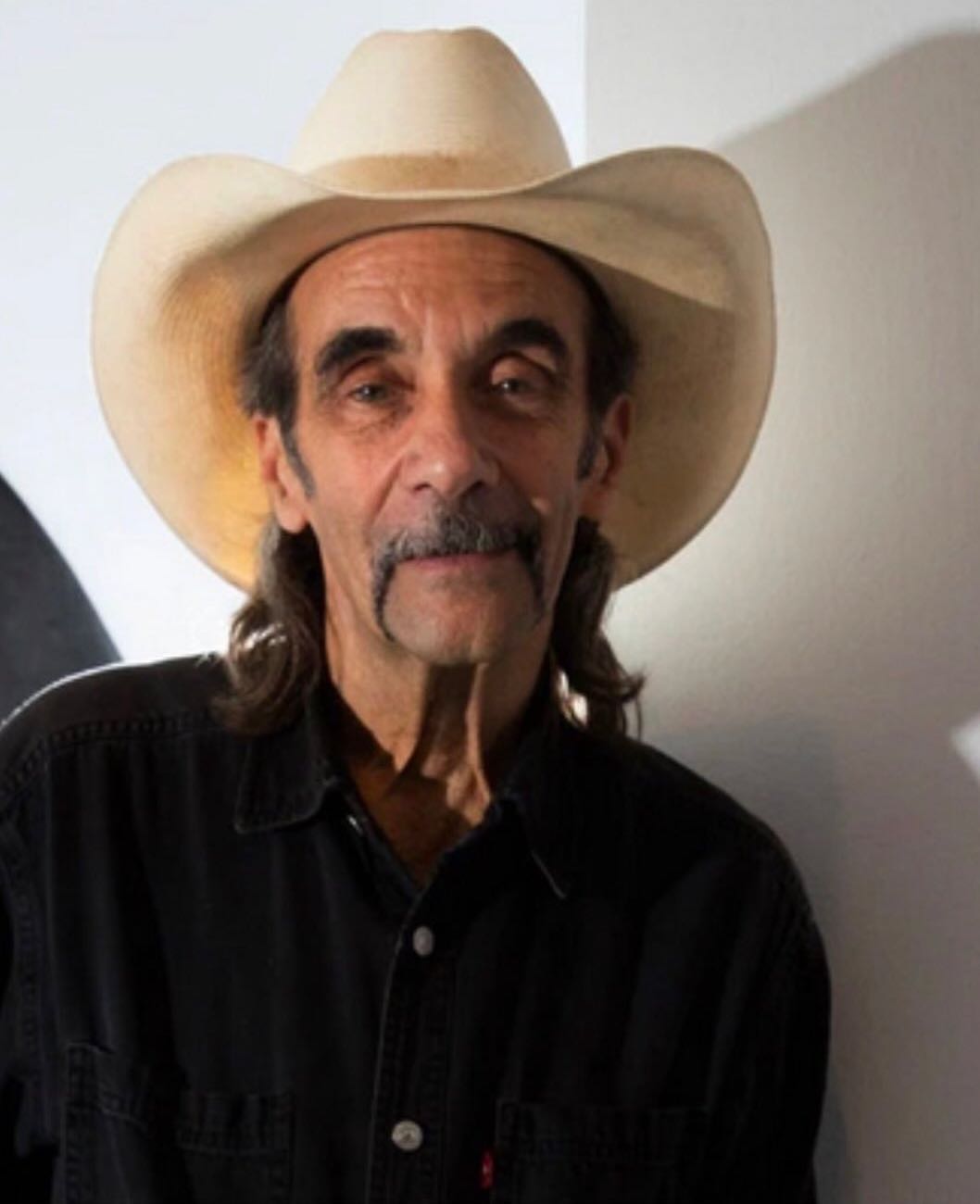
Ben Morea.
We met him in April 2016, when my sister, Georgia Sagri, invited him for a series of talks and meetings at Ύλη[matter]HYLE, a space in the center of Athens bringing together art, politics, and the sciences. He was a beloved friend of hers from her years in New York. She enthusiastically introduced him to many different people—not only anarchists but also artists and other creative people from the Athens underground scene.
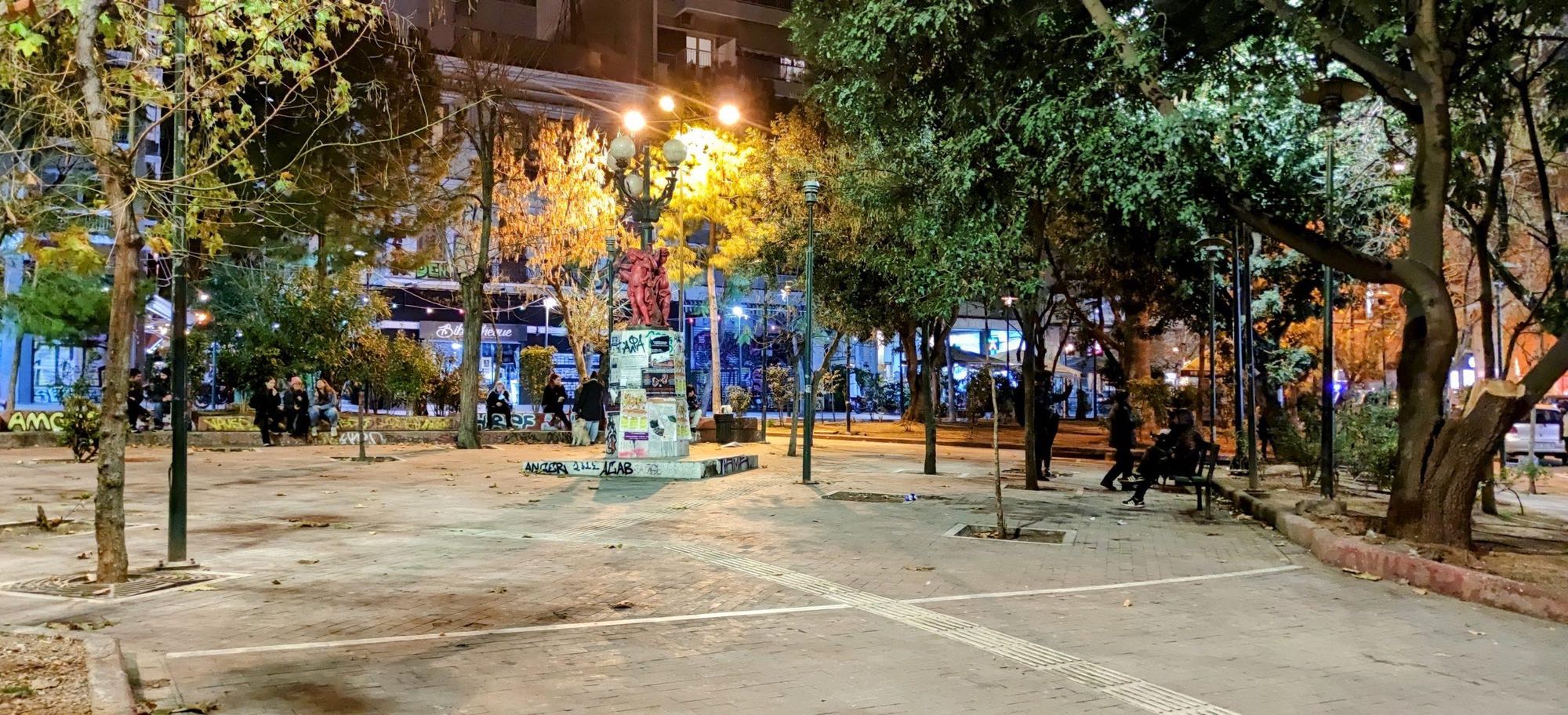
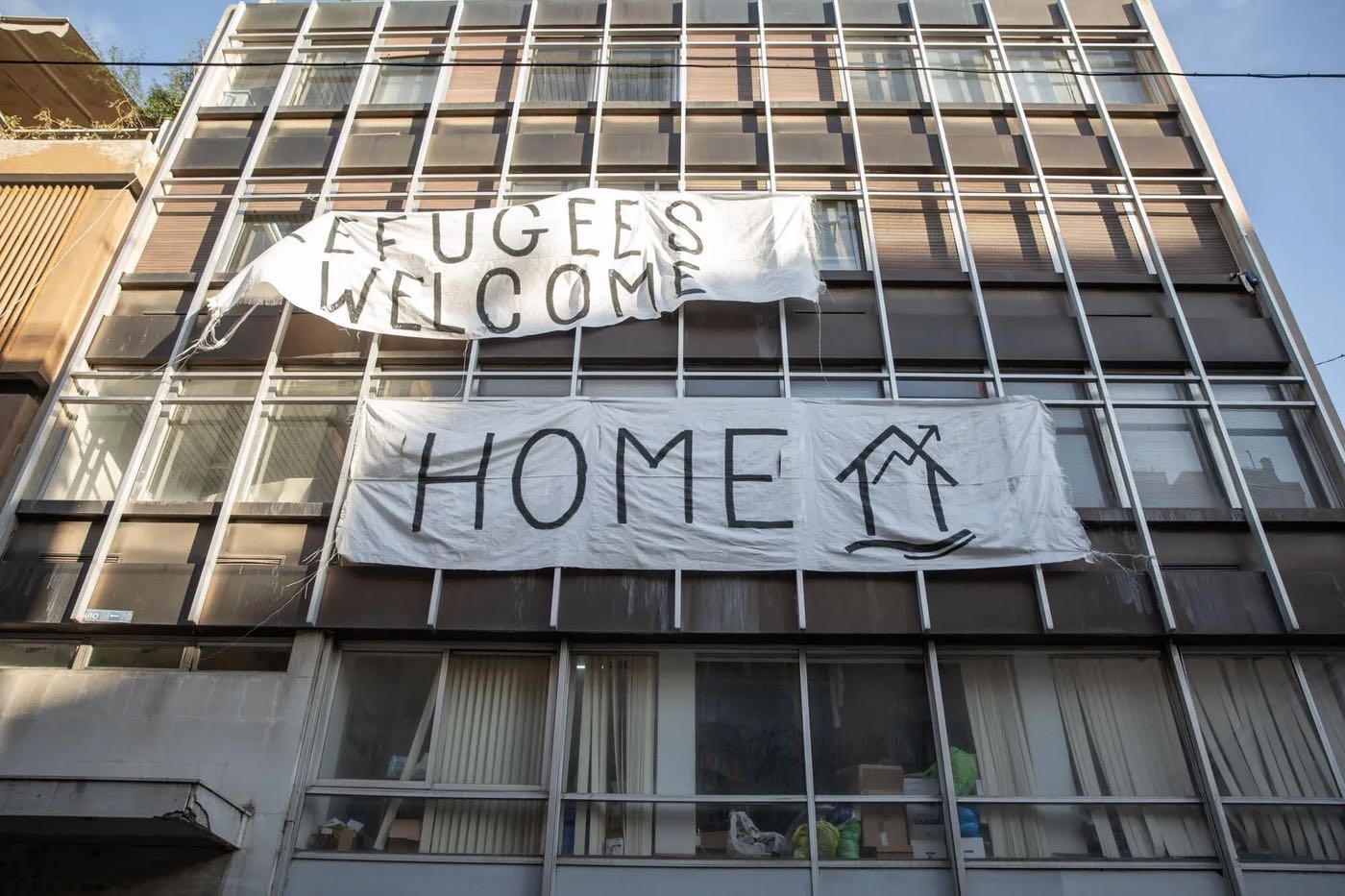
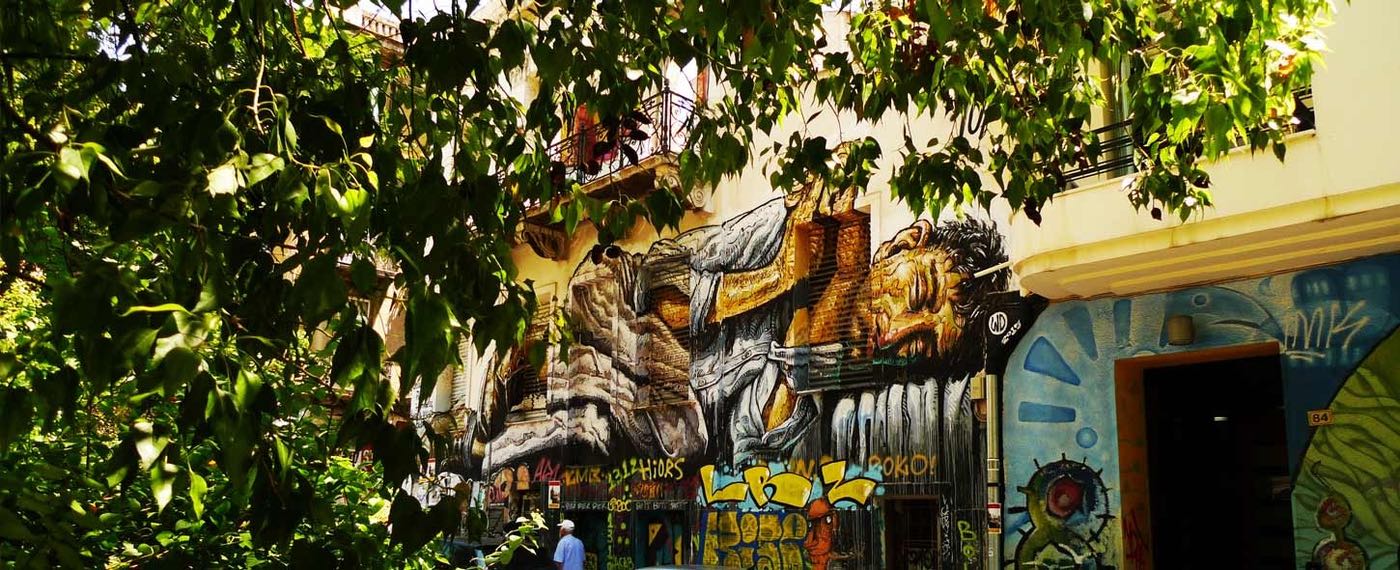
I enjoyed a long day and night walking around Exarchia with Ben. It was during a high point of the anarchist solidarity movement with refugees and migrants, when more than ten occupied buildings across the neighborhood housed over a thousand displaced people fleeing the wars and wreckage of the global order to seek a better future in Europe. Exarchia was no longer simply the legendary neighborhood of anarchists, punks, radical students, and street riots; it had become a fragile liberated territory where the uprooted of the Earth attempted to survive collectively in the face of the violence of borders, police raids, fascists, poverty, and abandonment.
We walked endlessly through the narrow streets. We passed the occupied refugee squats where children played on the rooftops under torn flags, living in buildings powered by improvised, illegal electricity connections. We passed assemblies in smoky rooms filled with comrades speaking ten different languages. We walked through old cafés where anarchists argued all night about revolution, defeat, and desire while armored riot police waited at the entrances of the neighborhood like an occupying army.
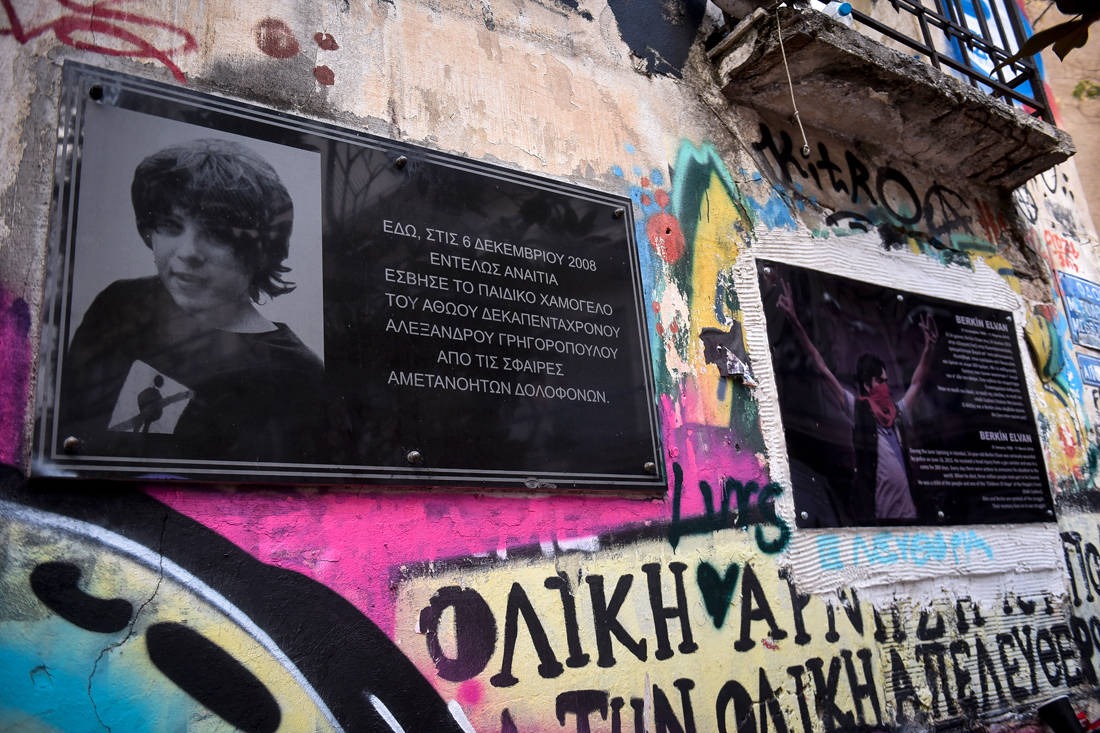
I brought him to the Free Social Center Nosotros, which Void Network participated in for fifteen years, and to the self-organized political spaces scattered across Exarchia. I translated for him the slogans painted on the walls and the posters announcing demonstrations, solidarity kitchens, anti-fascist patrols, underground concerts, assemblies for imprisoned comrades, open discussions on gender, social collapse, and insurrection. He looked carefully at everything—not with the cold curiosity of an intellectual tourist, but with the trembling attention of someone recognizing fragments of a long unfinished dream.
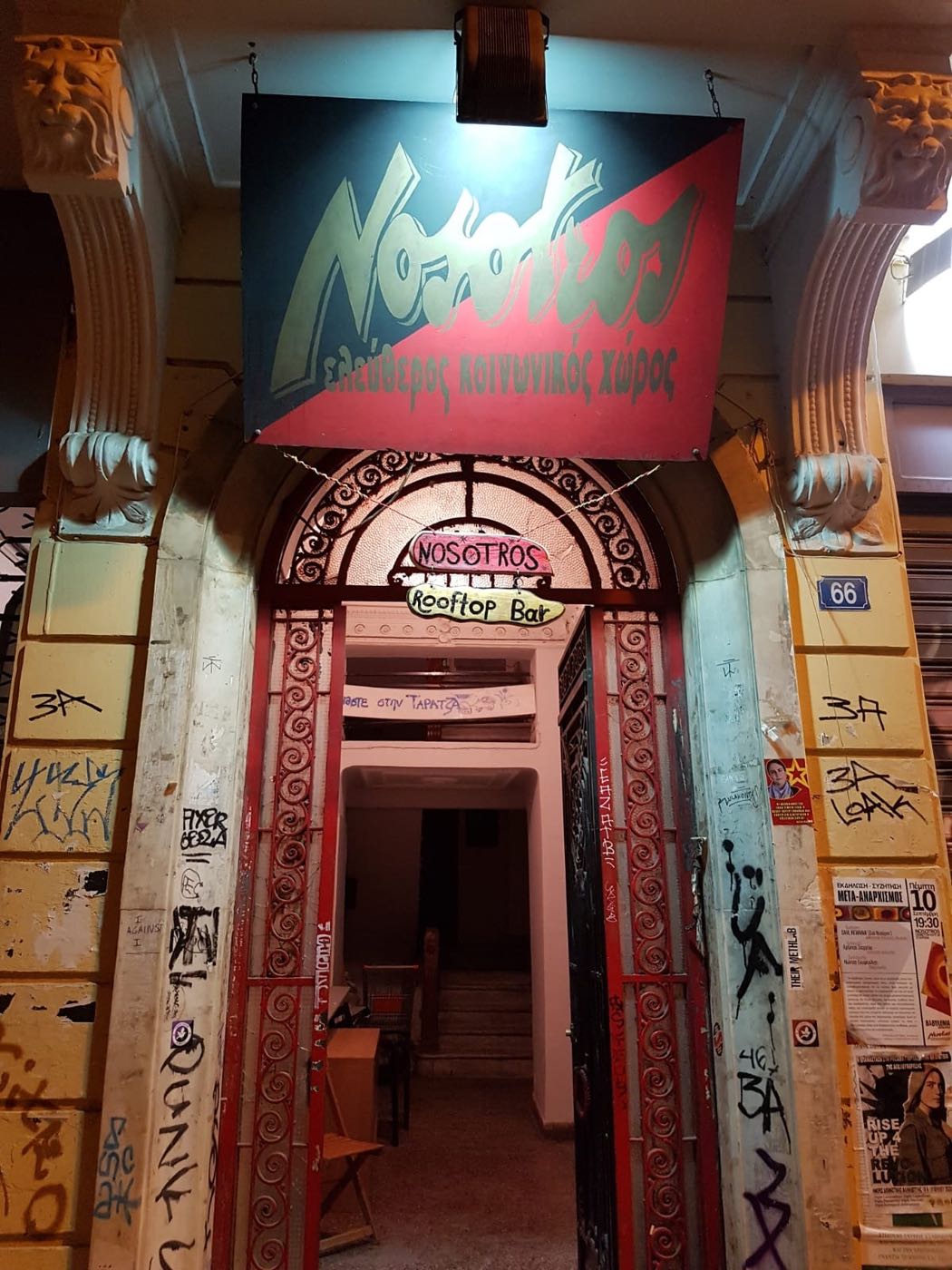
The Free Social Center Nosotros.
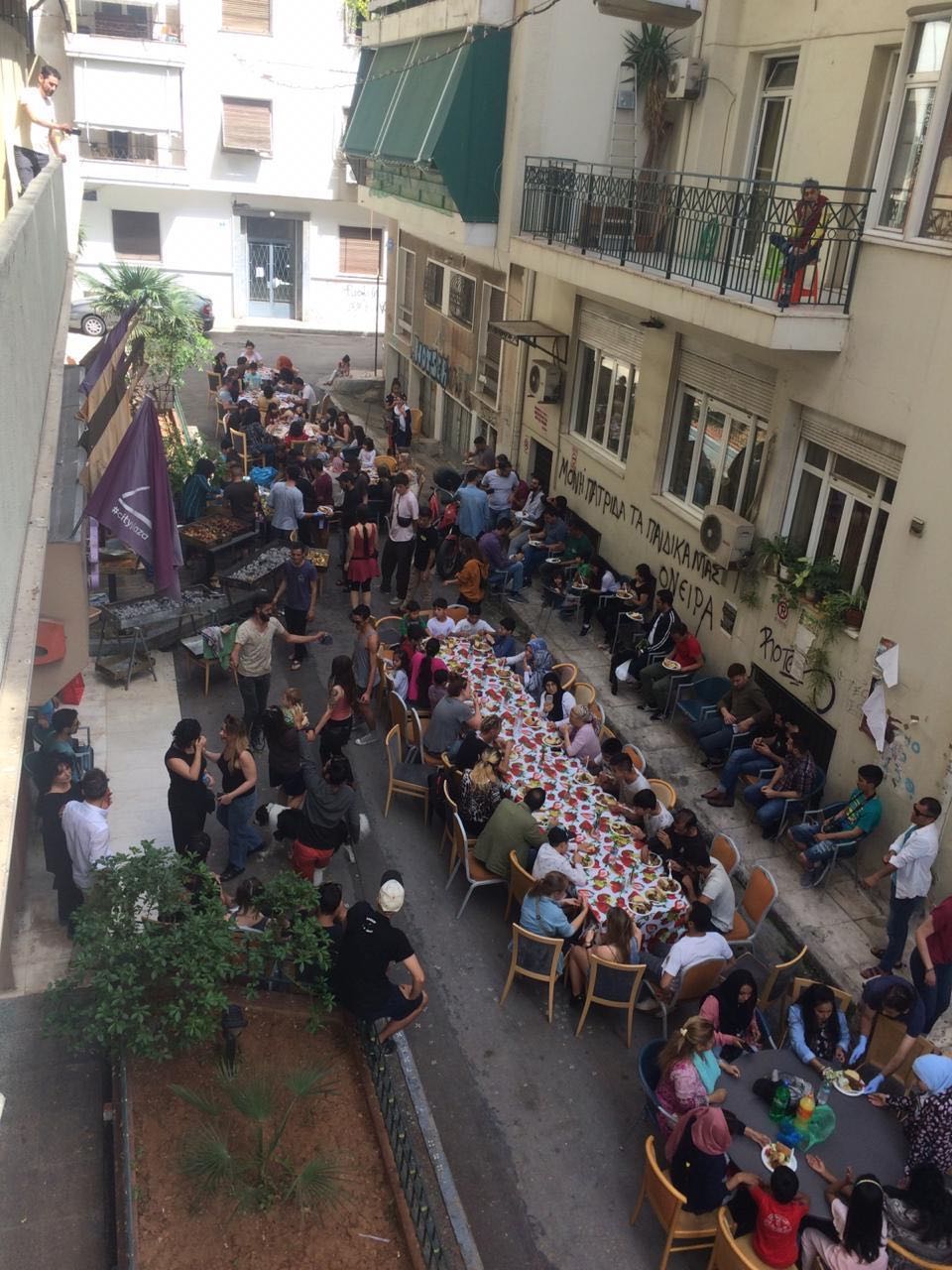
Perhaps what moved him most was not the militancy itself, but the atmosphere of collective survival. The defiant beauty of people who possessed almost nothing yet continued building common spaces in the ruins of austerity and social collapse. Young anarchists sharing food and ideas with refugees from Syria, Palestine, Afghanistan, Iran, Sudan, Nigeria, Congo, illegal kitchens feeding hundreds every day, people from many different countries dwelling together. Abandoned buildings transformed into living organisms of solidarity as artists, dropouts, migrants, junkies, fugitives, students, and political outcasts attempted to create another form of life.
For Ben, this was not activism as moral duty. It was the continuation of a war against alienation that had begun decades earlier in the streets of the Lower East Side.
That night, as we were walking through Exarchia, he stopped and looked at me with an expression I will never forget and said:
“Tasos, I feel so happy that now I can die.”
I asked him what he meant.
“Everything we did so many years ago, so far away, has taken root here. Exarchia is what we were fighting for with the Motherfuckers!” Since the early 1960s, from the days of Black Mask and Up Against the Wall Motherfuckers, he explained, he had dedicated his life to creating liberated social zones in New York and across the United States. Spaces where people could escape the prison of normality to invent new forms of collective existence. Free territories where art was no longer separated from life and revolution was no longer separated from everyday experience.
Now, decades later, on the other side of the planet, he had encountered another generation continuing the same struggle in different historical conditions. Not the white American dropouts of the psychedelic era, but refugees, migrants, precarious youth, and anarchists surviving the catastrophe of neoliberal Europe.
“Now I can die happy,” he told me. “We are winning.”
We continued walking through the streets of Athens, surrounded by the graffiti, the helicopters, the police sirens, and the burning memory of all unfinished revolutions.
That same night, in the center of the city, Ben Morea gave what was for many of us an unforgettable historical speech. For hours, he answered questions from anarchists, freaks, radical artists, and young rebels who gathered around him with the hunger of people seeking lived experience. He spoke about the birth of the counterculture as if describing an underground war. He told stories about riots, communes, outlaw survival, collective madness, criminality, revolutionary theater, the attempt to assassinate Andy Warhol as a strategy to block the spread of heroin in freak communities, sabotage, psychedelics, fugitives, and impossible dreams with a mixture of tenderness and levity.
Most of those stories would be impossible to summarize here. Perhaps they can only survive the way all insurgent knowledge survives: passed from mouth to ear to mouth, from generation to generation, like a secret fire moving through the darkness of this world.
Ben Morea belonged to a generation that understood something that has almost been erased from the collective political imagination today. They grasped that revolution was not merely a program for the future but a transformation of everyday life in the present. Not an ideology to be consumed, not an identity to perform, but a dangerous reorganization of existence itself.
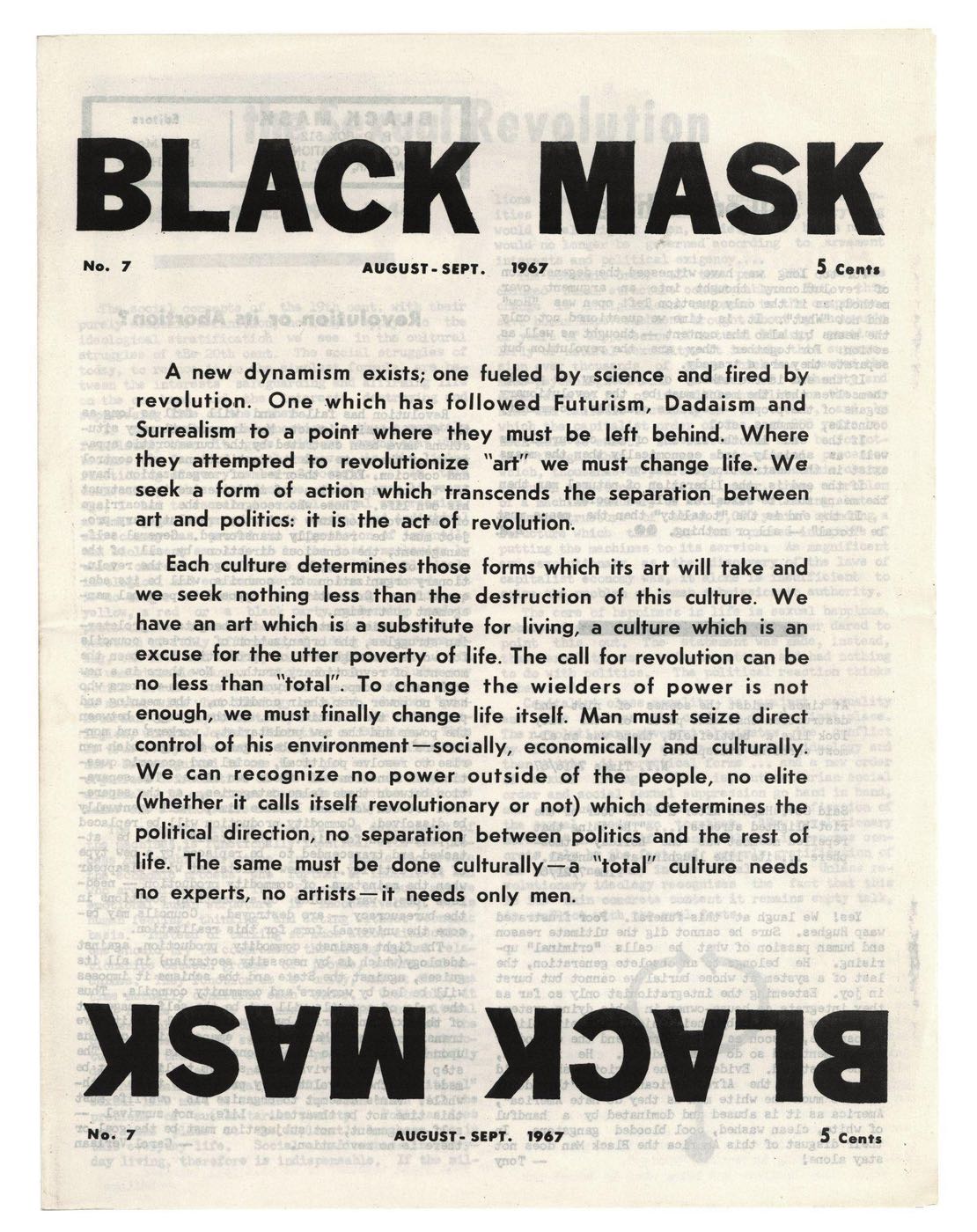
Before the museums, universities, and fashion industries domesticated the aesthetics of revolt, before rebellion became a commodity circulating through social media and cultural branding, Morea and the comrades around Black Mask and Up Against the Wall Motherfucker attempted to dissolve the separation between art and life completely.
They did not want radical art, but radical existence.
For them, art could not remain imprisoned inside galleries, theaters, literary circles, or intellectual prestige. A painting that did not attack the conditions of everyday alienation was merely decoration for the ruling class. A poem that did not open breaches inside consciousness was simply another dead object circulating in the market of culture. Even revolution itself risked becoming another form of bureaucracy if it lost contact with desire, ecstasy, madness, and collective imagination.
This was one of the deepest contributions of Ben Morea and the Motherfuckers: they understood that capitalism does not survive only through economic exploitation or police violence, but through the colonization of perception itself. Through the production of obedient identities. Through the management of desire. Through the reduction of life to work, consumption, and passive spectatorship.
Long before the language of contemporary critical theory existed, they were already attacking the society of separation with their bodies, their actions, and their forms of collective living.
They stole food and distributed it freely.
They occupied spaces and defended houses with open doors where anybody could be free at any time.
They organized street theater as social attack.
They disrupted cultural institutions.
They transformed everyday gestures into acts of refusal.
They attempted to create temporary liberated zones in the heart of the metropolis where people could experience forms of relations outside commodity logic.
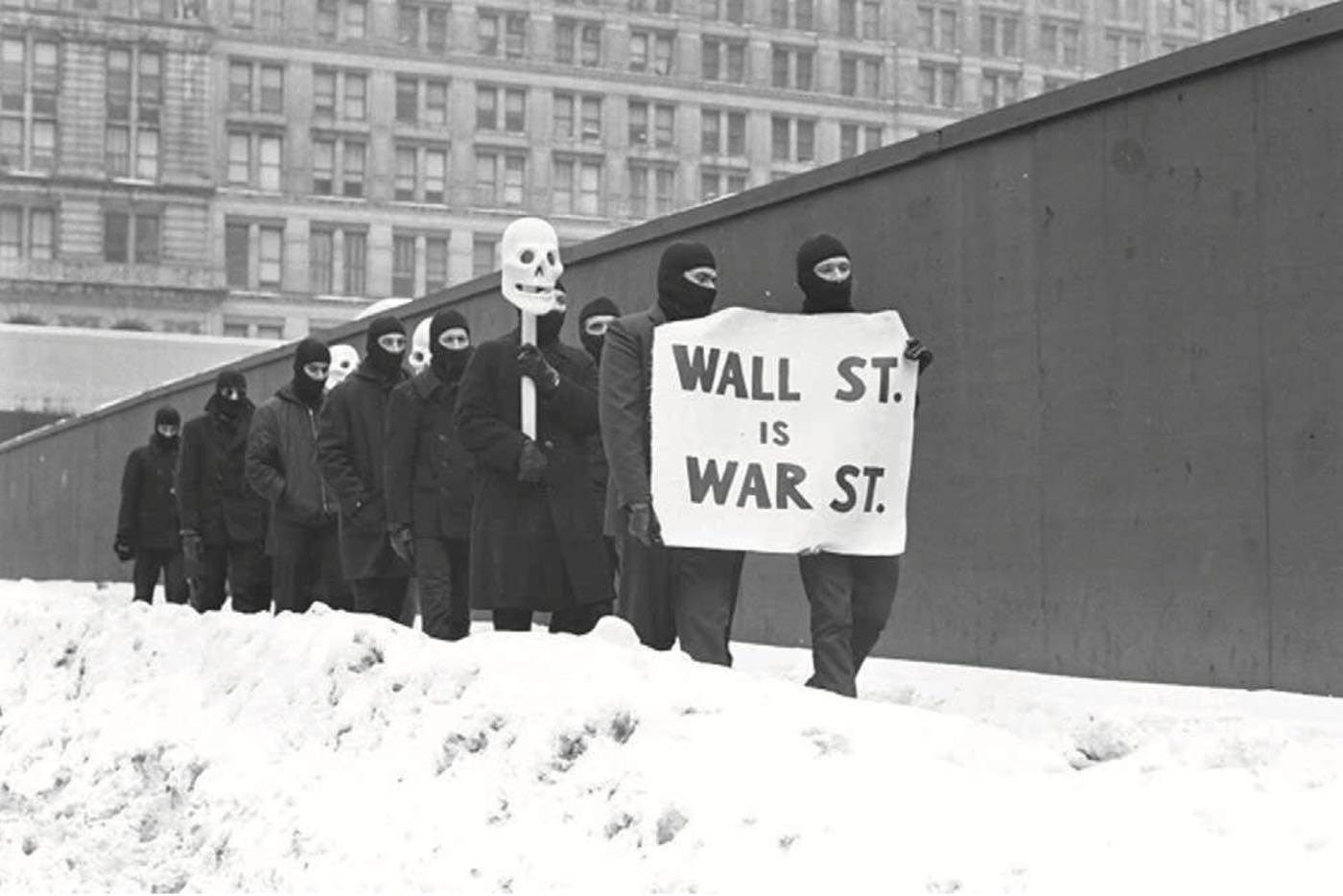
In this sense, Ben Morea was not only an anarchist militant. He was a poet of social space creating poetry inscribed directly upon the nervous system of the city.
During those years, the streets of the Lower East Side became laboratories of anti-capitalist imagination. Runaway teenagers, junkies, artists, political fugitives, radical musicians, criminals, undocumented people, trans and queer outcasts, psychedelic heads, and street gangs all collided in an unstable ecosystem where counterculture and insurrection became inseparable. It was dirty, chaotic, often self-destructive, and filled with contradictions, but it carried an intensity almost impossible to imagine today within the managed sterility of contemporary urban life.
What terrified American society was not simply the riots or the political extremism. It was the appearance of human beings who no longer desired to be integrated into the existing order.
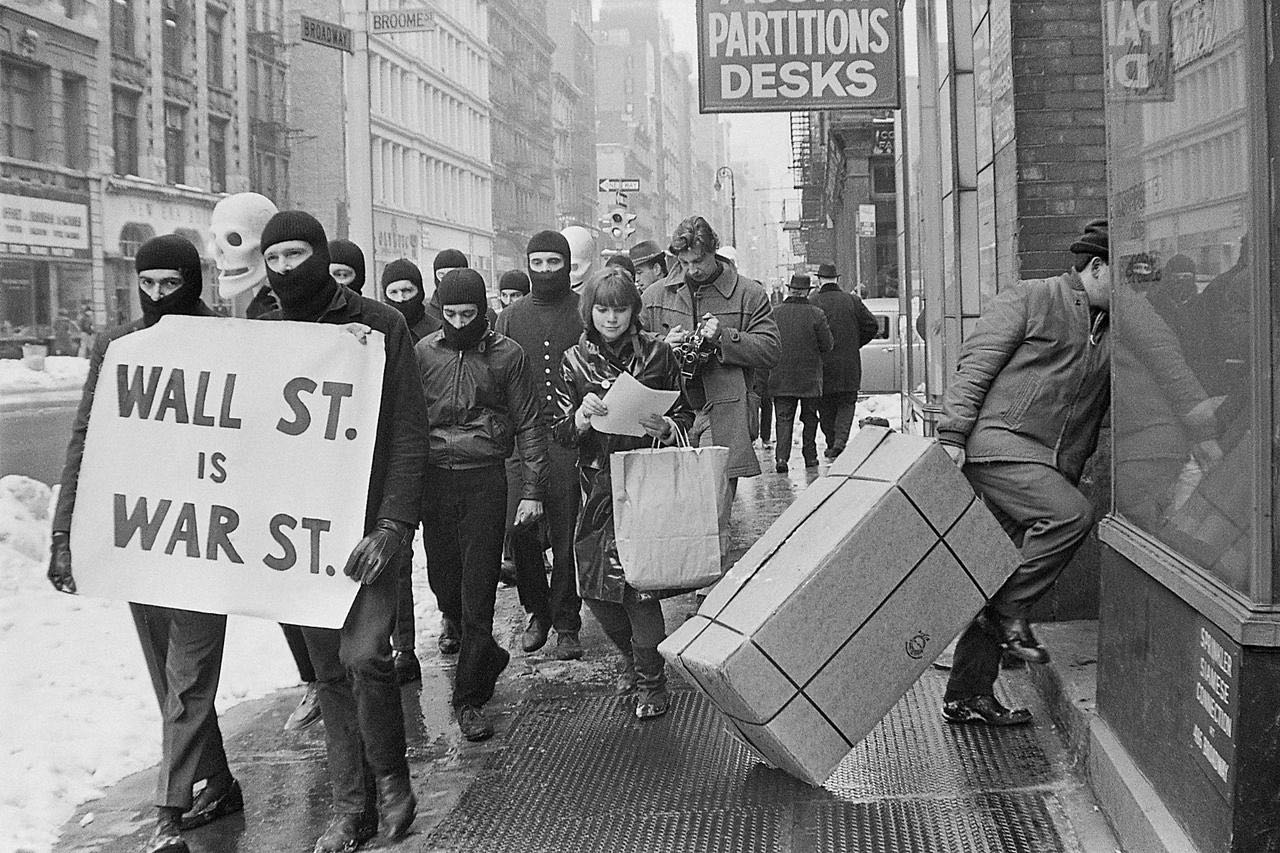
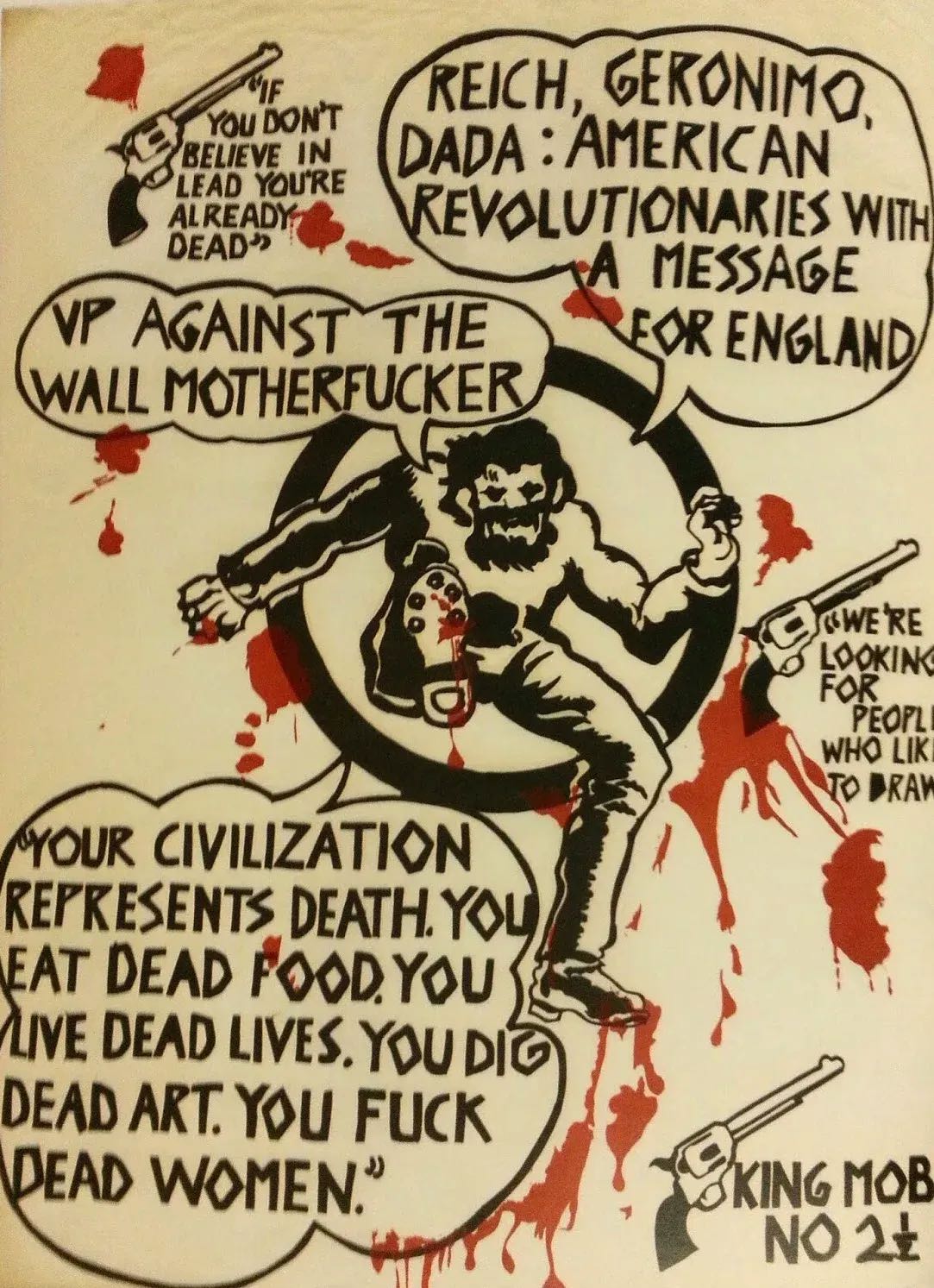
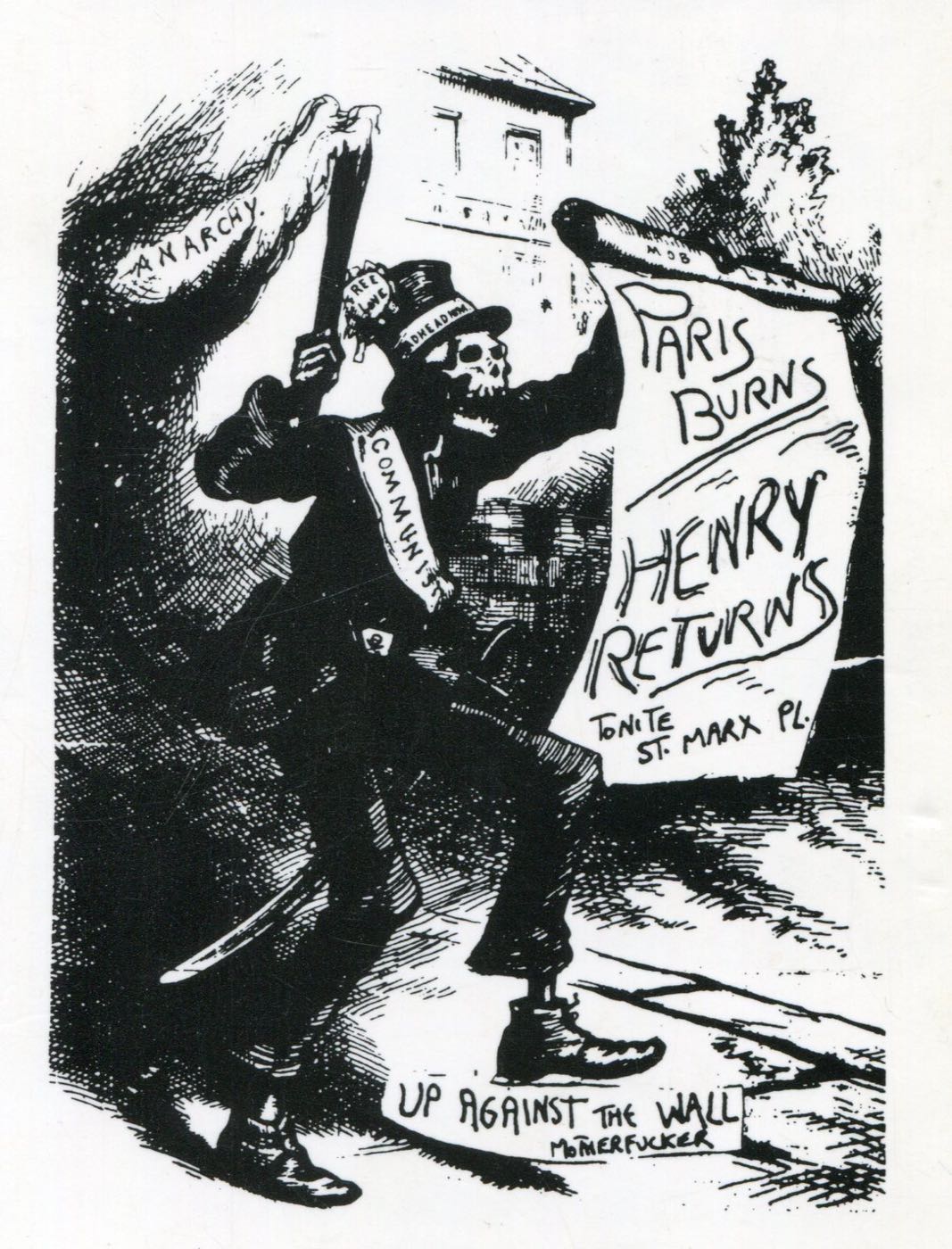
The Motherfuckers represented a direct attack upon the American dream because they rejected the entire psychological architecture of normality: career, patriotism, private property, productivity, family discipline, social obedience. They transformed dropping out into a collective weapon.
This is why they remain important today.
Not as a romantic relic of the sixties, but because the central conflict of our era remains exactly the same: will human life be completely reduced to economic functionality or can new forms of collective existence emerge against the machinery of control?
And perhaps this is why Ben recognized something familiar in Exarchia.
Because despite all the historical differences, he once again entered a territory where people were attempting—however imperfectly—to reclaim life from the structures managing it, refusing ideological purity and political branding and living together in political and social antagonism against the establishment.
Communal kitchens / Occupied buildings / Illegal assemblies / Underground art / Collective risk.
Friendships formed inside repression / People discovering each other again through struggle instead of competition.
This was always the real battlefield.
|
|
The dominant culture constantly tries to convince us that capitalism is natural—to accomplish this, it destroys every social experience that could generate another perception of reality. Isolation becomes normality. Competition becomes common sense. Fear becomes social organization. Human beings cease to imagine freedom because they cease to experience collective power.
The Motherfuckers and other anarchist and autonomous movements across the world have sought to explore the opposite possibility: that people can become ungovernable when they rediscover themselves and each other outside institutional mediation.
For this reason, the system always attempts to neutralize rebellious movements in two ways simultaneously: through repression and through cultural absorption.
Police attack bodies. The spectacle attacks memory.
Every radical gesture is eventually transformed into style, merchandise, or harmless mythology. The revolutionary becomes an icon. The outlaw becomes an aesthetic reference. The living experience of revolt is emptied of danger and returned safely to society as entertainment.
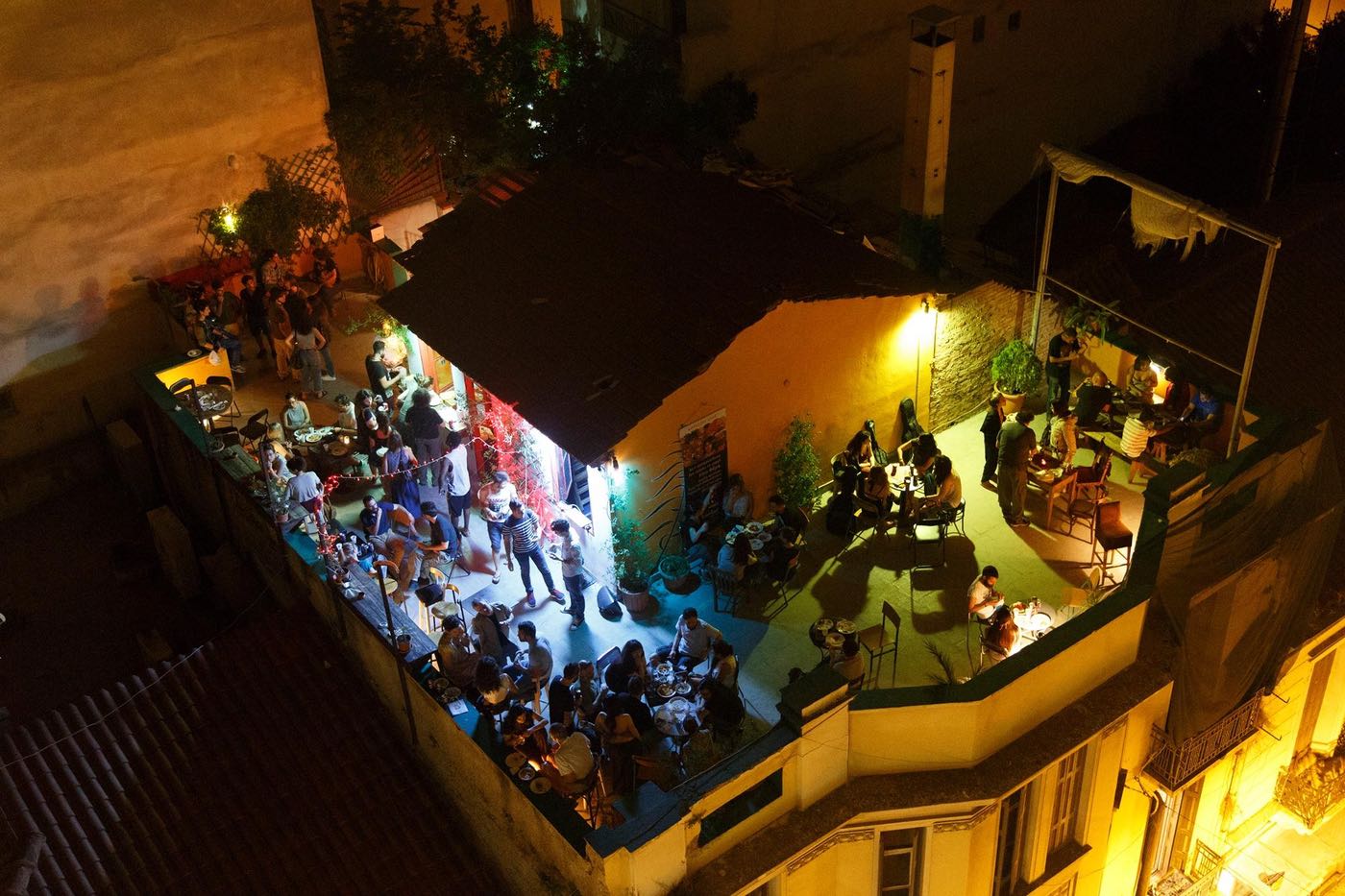
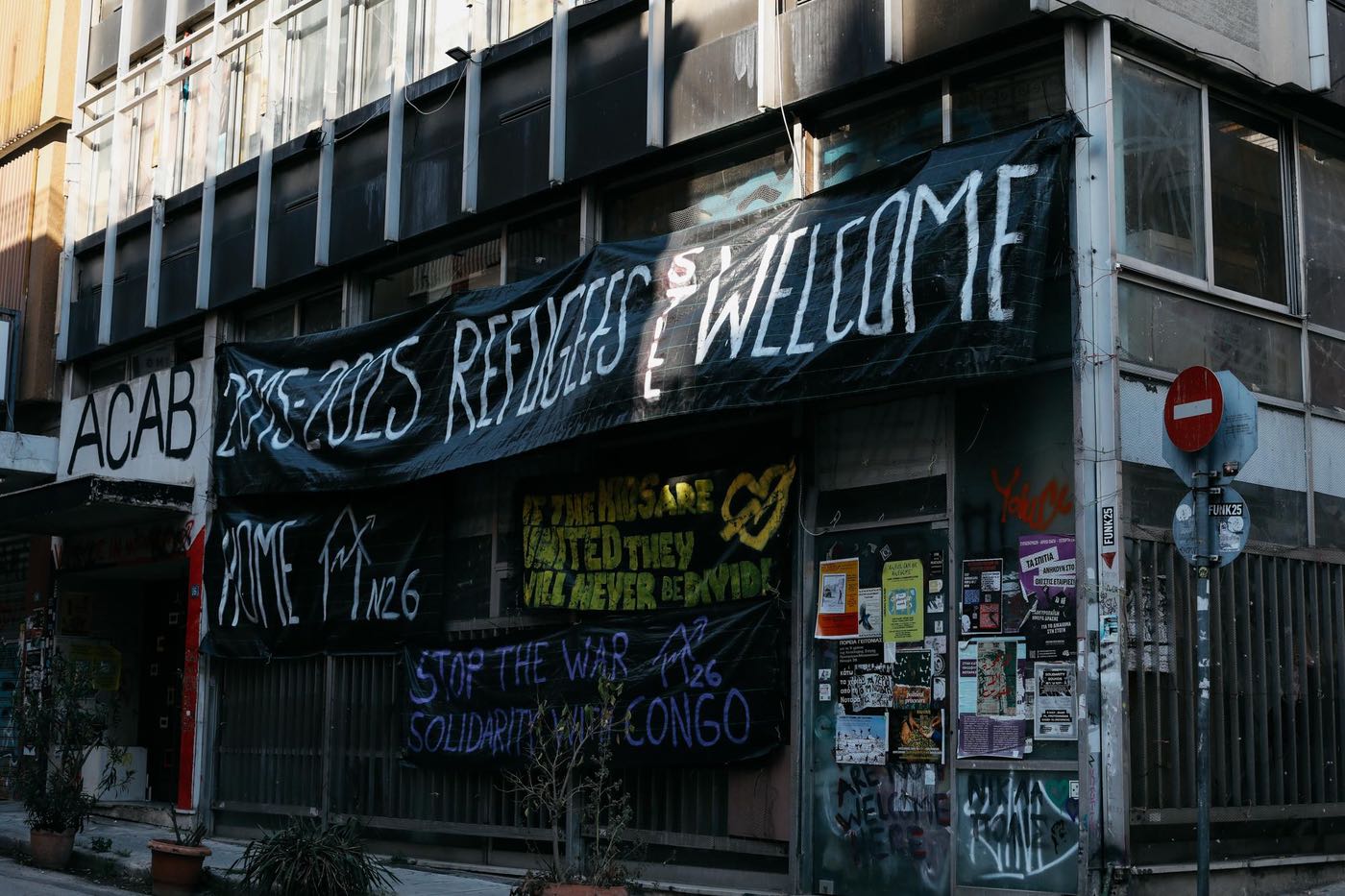
The Free Social Center Nosotros.
Ben Morea refused this domestication until the end of his life. He disappeared. This disappearance was itself a political gesture. Unlike so many public revolutionaries who slowly transformed themselves into celebrities, academics, or nostalgic commentators of their own past, Morea withdrew from visibility almost completely. Hunted by the state and exhausted by the implosions that destroyed much of the revolutionary energy of the sixties, he turned away from the machinery of political spectacle.
But he did not surrender to normality. He did not “grow up.” He did not reconcile with the world. He did not moderate his politics or his passions. Instead, he moved toward another frontier of existence.
Far from the metropolitan centers of visibility, consumerism, and ideological production, Ben Morea spent years living close to Indigenous communities and spiritual traditions across North America. Not as an act of exotic escapism, but as part of a search for forms of knowledge and relation that industrial civilization has almost annihilated.
Ben Morea speaks at the Gaza Solidarity Encampment at Columbia University on April 23, 2024, describing why he and his comrades had occupied the same university almost six decades earlier: “It wasn’t just to stop the war, it was to replace the ideology that created the war. The idea of occupation, a colonialist mentality. Not only did we want to stop the war, we wanted to end the mental state that would allow the war to become a reality.”
Many Western revolutionaries speak endlessly about liberation while remaining trapped within the same colonial mentality they claim to oppose: domination over nature, domination over time, domination over imagination, domination over the body, domination over meaning itself. Morea began searching elsewhere. In Indigenous cosmologies, communal memory, ritual practices, and non-Western understandings of land, he encountered another dimension of resistance—one far older than the modern revolutionary tradition. A resistance not centered solely on seizing power, but on preserving relationships with the Earth, the ancestors, the spirits, and collective forms of life against the expanding desert of industrial capitalism.
This journey lends an almost mythic quality to his later life. He never became a new age guru or a “spiritual leader”—he probably hated such descriptions. For us, he embodied a rare continuity between revolt and transformation of the self. He remained, until the end, a human being searching for freedom beyond the categories offered by the dominant civilization.
And perhaps this is why his presence affected so many younger anarchists decades later. Because beneath the stories, the legends and the historical aura, people sensed something increasingly rare in contemporary political culture: he had truly risked his life for another world, and he had never psychologically returned from that journey.
Today, in an era where even dissent is rapidly transformed into consumable identity, the legacy of Up Against the Wall Motherfuckers becomes important again not as historical nostalgia but as a living provocation. Because the catastrophe they fought against did not disappear. It expanded across the entire planet.
The Metropolis they saw emerging in the 1960s—the society of alienation, surveillance, spectacle, and emotional paralysis—has now become almost total. Capitalism no longer simply exploits labor. It occupies attention, emotion, sexuality, language, memory, and imagination itself. Human beings are increasingly transformed into isolated economic units permanently connected to systems of consumption and digital control while simultaneously disconnected from collective experience, from nature, from physical community, and from any deeper sense of meaning.
The result is a civilization filled with information but emptied of presence, a society of communication without encounter, visibility without intimacy, opinion without lived experience, a planetary loneliness managed by algorithms and pharmaceutical industries.
Inside this landscape, the radicalism of the Motherfuckers acquires new force precisely because it was always more than merely ideological. They were fighting against a model of existence. The battlefield they fought on remains the central battlefield today.
A contemporary revolutionary cannot simply imitate the aesthetics of the sixties. The costumes, slogans, and mythology of past revolts are useless when they are disconnected from the historical necessity that produced them. What matters is the impulse beneath their actions: the refusal to allow capitalism to define the limits of reality and human possibility.
To live “against the wall” today means refusing psychological integration into the machinery of fear and passivity.
It means defending spaces where people can still encounter each other directly outside commodified relations. It means rebuilding forms of solidarity in societies designed to fragment every collective bond. It means fighting against the war, the apartheid, the genocide, the environmental and psychological destruction, protecting zones of human unpredictability inside a civilization obsessed with management and control.
The liberated territory is not only the occupied building or the street confrontation. It is also the communal kitchen / the underground art space / the collective garden / the occupied university and the collective house / the public assembly and the secret meeting / the barricades, the fires on the streets, the smell of benzine on my hands, and to hold you in the mist of the tear gas / the pirate radio station / the neighborhood organization of mutual aid / the friendship that survives a political defeat / the refusal of narcissism and permanent digital mediation / the defense of the imagination against the dictatorship of cynicism.
Because cynicism has become one of the primary weapons of Power.
The system no longer asks people to believe in a beautiful future. It merely asks them to stop believing that anything other than a dystopian future is possible. This emotional exhaustion produces populations that continue obeying not because they are convinced, but because they feel existentially defeated.
This is why every authentic community of resistance becomes dangerous. Because it immediately threatens state power militarily and existentially, and because it reawakens suppressed human capacities: trust, collective joy, solidarity, courage, eroticism, care, spiritual intensity, and the experience of shared risk.
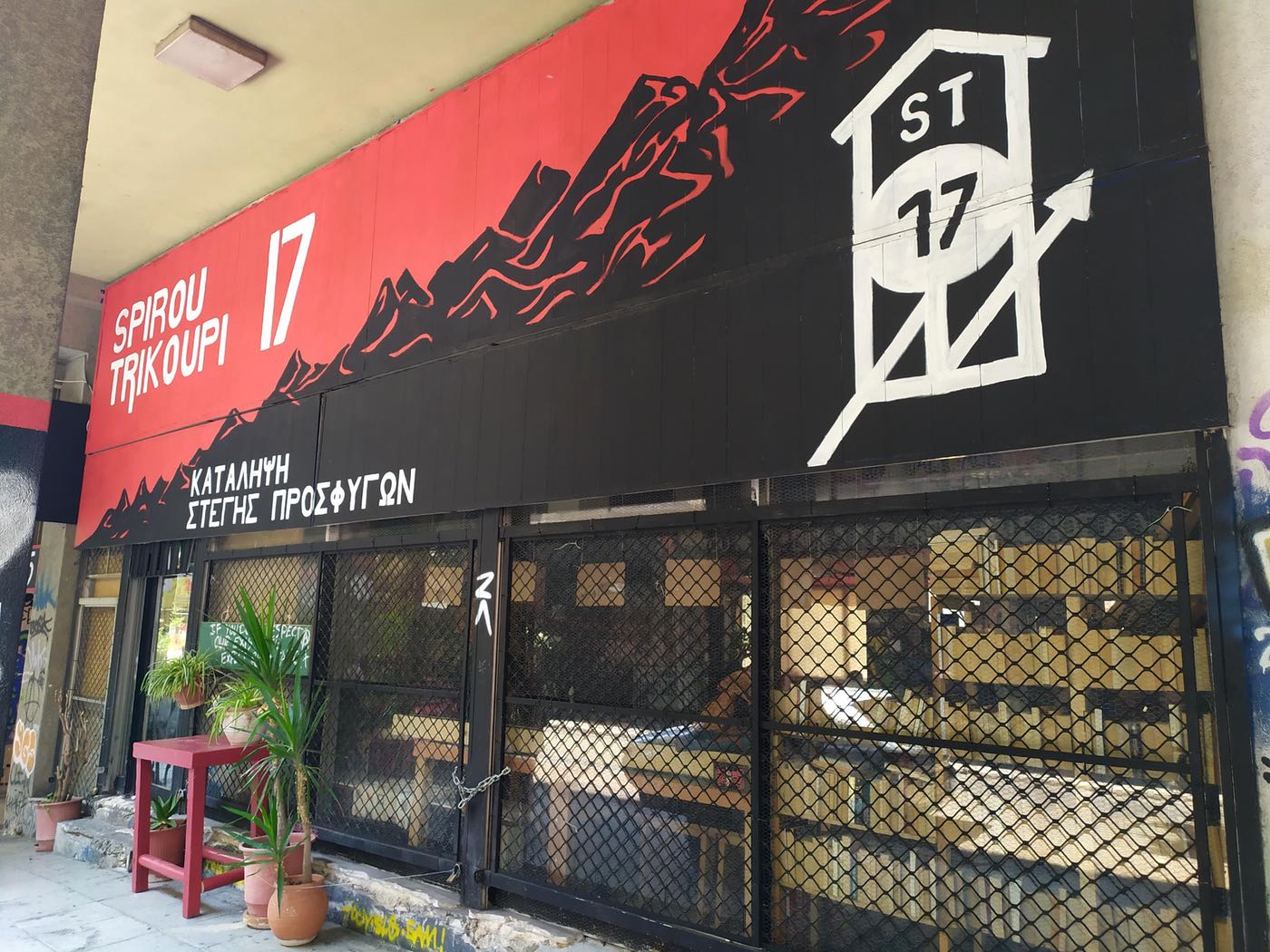
Spirou Trikoupi, a squat in Exarcheia that housed nearly a hundred migrants from Afghanistan, Eritrea, Iran, Kurdistan, and elsewhere. The squat was run by a regular weekly assembly and featured a bar, a library, and classrooms for children. Police brutally evicted it in August 2019, kidnapping the migrants at gunpoint and taking them to detention centers and concentration camps.
The Motherfuckers understood that revolution without the transformation of everyday life becomes just another authoritarian structure. But they also understood the opposite danger: that counterculture without social struggle degenerates into narcissistic lifestyles and harmless bohemian consumption.
This conundrum remains unresolved today. On one side, we see political movements emptied of poetry, desire, and imagination, reproducing the same emotional misery as the system they oppose. On the other side, we see cultural scenes obsessed with personal expression while completely detached from material struggle and collective responsibility.
Ben Morea and his friends, among them Osha Neumann and many others, represented a rare attempt to hold these two dimensions together: insurrection and beauty, fury and tenderness, collective discipline and ecstatic freedom. Perhaps this is why his words in Exarchia carried such emotional force for me. He recognized that despite all defeats, despite repression, cooptation, and exhaustion, fragments of that old dream still survive wherever people attempt to create living communities of resistance in the ruins of capitalism. Not perfect communities, not ideological utopias, but temporary breaches in the social machinery. Places where people can breathe differently.
And perhaps this is the deepest lesson that his life can offer younger generations of anarchists, artists, and revolutionaries today: that resistance is not only the struggle against oppression. It is also the defense of human intensity against the civilization of emotional death.
To remain capable of wonder in a world organized around despair.
To remain capable of love in a culture built on contention.
To remain capable of collective imagination inside systems designed to isolate consciousness.
To continue creating free spaces even as history appears to collapse around us.
This was the invisible thread connecting the streets of the Lower East Side to Exarchia decades later.
Not a political model or an ideology frozen in time, but the persistence of a dangerous human desire: to live differently / to feel differently / to relate differently / and through this transformation of everyday existence, to open cracks in the apparent inevitability of this world.
Perhaps this is what Ben Morea understood better than most of the revolutionaries of his generation: that the struggle for liberation is not only about changing institutions. It is about protecting the possibility of another kind of human being from extinction.
Ben Morea’s life leaves behind no doctrine, no party line, no strategic blueprint that future generations could mechanically reproduce. Perhaps this is precisely why his presence continues to resonate so deeply today. He reminds us that the most powerful revolutionary experiences escape institutionalization and refuse to solidify into ideology. He belonged to a generation that believed that history could suddenly open upon new horizons. That everyday life could be reinvented. That human beings could escape psychologically, existentially, and materially from the systems shaping them.
Many of those dreams were defeated. Others were absorbed by capitalism and transformed into style, fashion, or harmless cultural memory. Entire fragments of the counterculture were commodified and sold back to society as entertainment while the economic and technological machinery of domination expanded to a planetary scale.
And yet something survived. Not the mythology of the sixties, the romantic image of rebellion, the sex, drugs, and rock ’n’ roll, but a certain irreducible human force. A refusal.
A refusal to accept alienation as destiny.
A refusal to reduce existence to work and consumption.
A refusal to abandon collective life even in periods of historical darkness.
A refusal to surrender imagination to the administrators of reality.
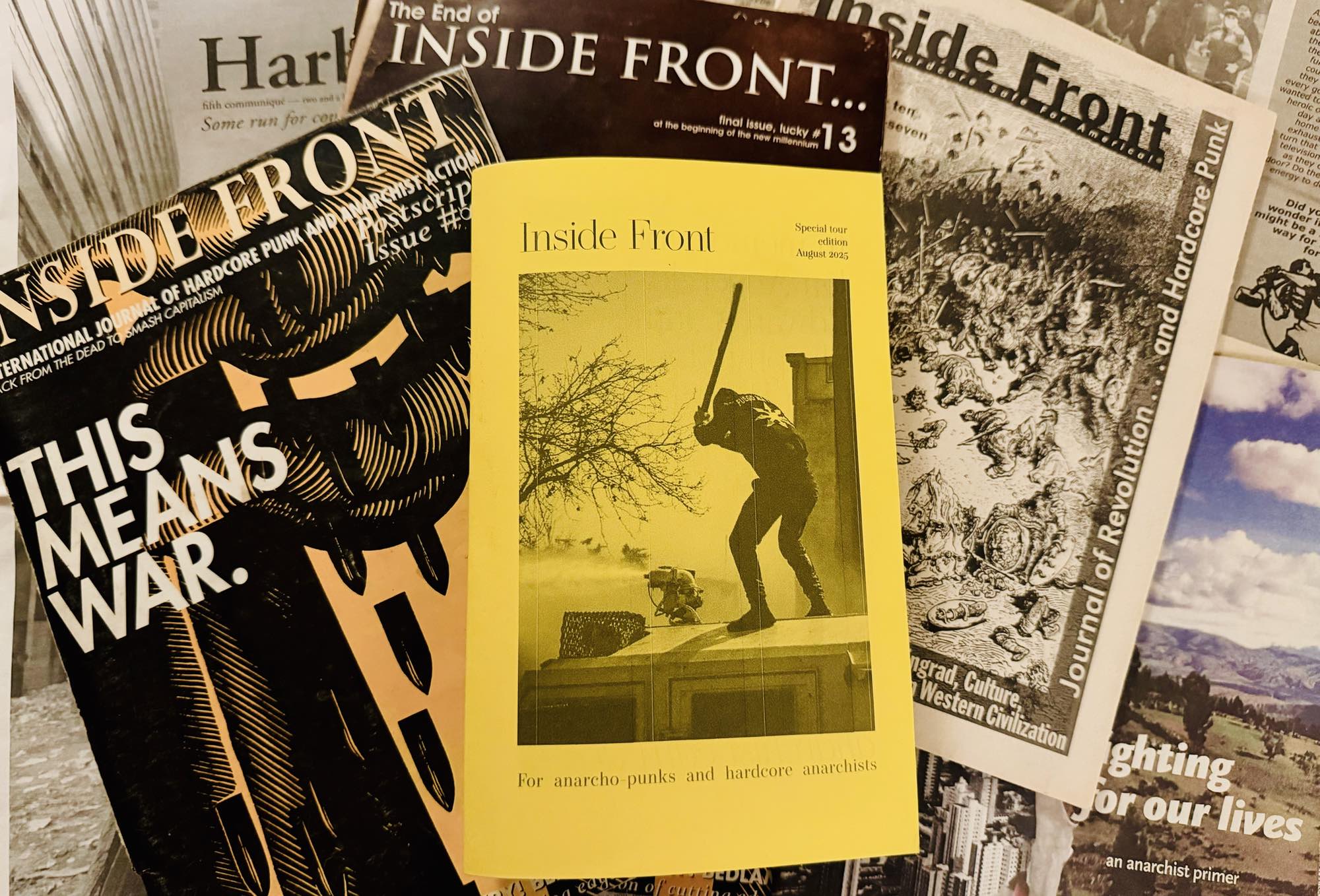
This refusal passed through many forms across the decades: through communes, occupations, pirate radios, underground newspapers, autonomous social centers, Indigenous struggles, anti-fascist networks, street riots, collective kitchens, night attacks, artistic experiments, migrant solidarities, and invisible friendships formed in the margins of defeated movements.
Ben Morea carried this force through his entire existence. Even his disappearances were meaningful. In a civilization obsessed with visibility, self-promotion, and political branding, he chose opacity, distance from fame; he chose to protect the living intensity of revolt from becoming another spectacle to be consumed. This choice gave his life a rare integrity. He remained dangerous because he never fully allowed himself to become socially legible. And perhaps this points toward one of the deepest lessons emerging from his trajectory: that revolution is not an identity.
It is not a subculture, a career, a scene, or a posture of moral superiority. Revolution, at its deepest level, is a transformation of relations—with others, with the body, with desire, with fear, with nature, with the self and with time itself. This is why the most meaningful revolutionary moments are often experienced not as political obligation but as sudden expansions of life.
A collective meal inside an occupied building.
A forbidden conversation lasting until dawn.
The preparation of explosives in the living room.
A street filled with people refusing fear together.
A neighborhood defending migrant residents from fascists and police.
A city without government.
A temporary experience where the loneliness imposed by capitalism suddenly cracks open and another form of existence becomes thinkable.
These moments are fragile. Often temporary. Sometimes tragic. But they leave irreversible marks inside personal and collective consciousness. Once someone has experienced this intensity, normality itself becomes unbearable.
The Free Social Center Nosotros.
Perhaps this is why so many people who met Ben Morea across generations felt affected not simply by his ideas but by his presence. He carried within him traces of another relationship to reality—one shaped by collective risk, existential commitment, and lived rebellion rather than intellectual abstraction. He belonged to that increasingly rare category of revolutionaries who understood that freedom is not a future paradise guaranteed by historical progress.
Freedom exists only when people create it together in the present. Even if briefly. Even if imperfectly. Even when the entire world appears to move in the opposite direction.
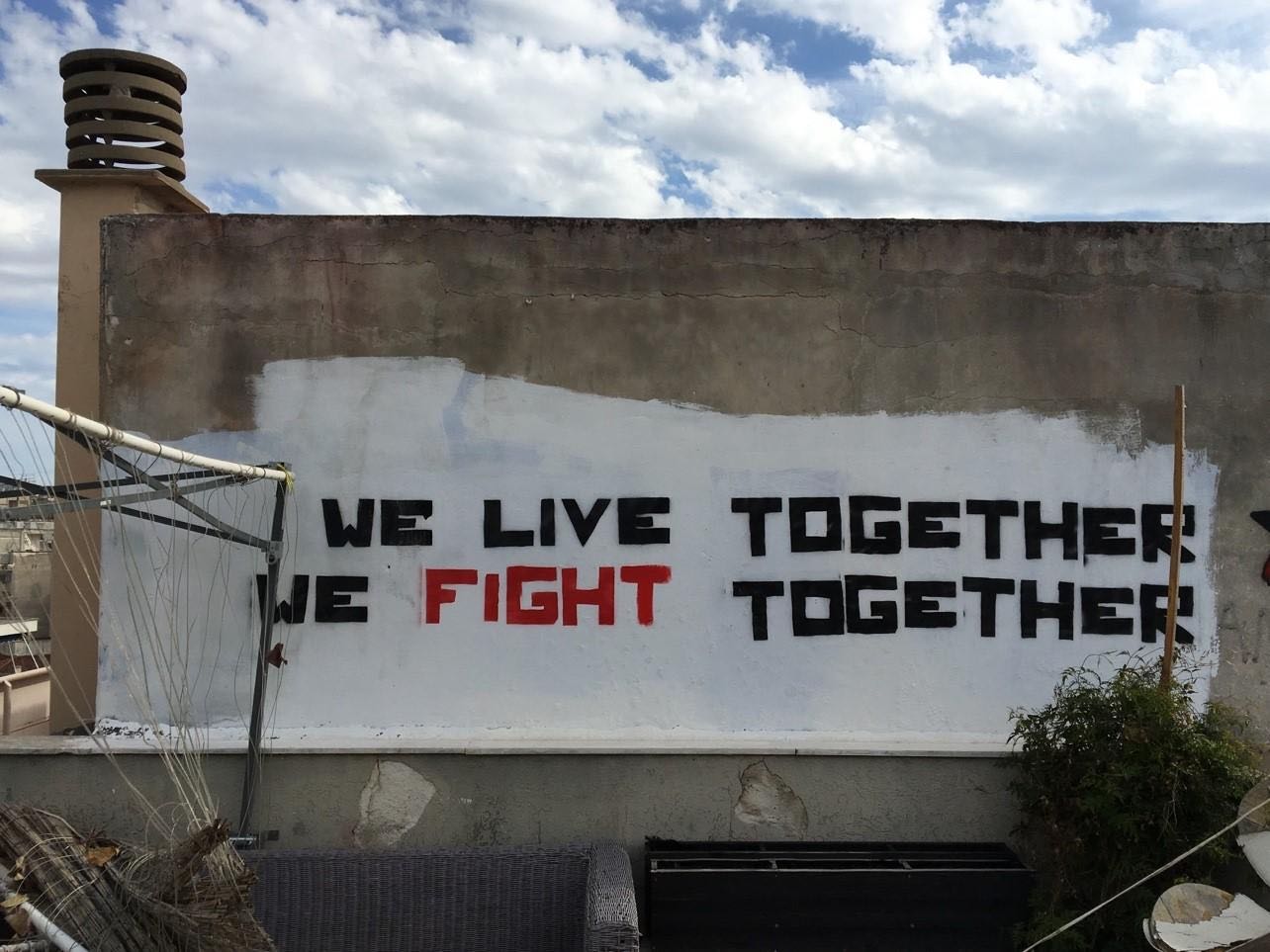
Today, as authoritarianism rises globally, as surveillance penetrates everyday life and war industries reorganize the killing machine, as genocide in Palestine and ecological collapse accelerate, as social existence becomes increasingly mediated by automatic behaviors and algorithms, the temptation to despair has become enormous. Many people retreat into cynicism, private survival, digital paralysis. Others seek refuge in ideological certainties that cannot address the spiritual and emotional devastation that contemporary capitalism is inflicting.
Against this landscape, Ben Morea’s life stubbornly demonstrates that human beings remain capable of creating liberated social spaces even within catastrophe. Small territories of intensity, lovers of Total Freedom, moments of collective beauty, communities of resistance, experiments in chaos.
This is how I choose to understand the meaning of the phrase he whispered to me while we were walking through Exarchia: “We are winning.”
The state had not collapsed. Capitalism had not been defeated. History had not fulfilled the dreams of the sixties. But somewhere, on another side of the planet, amid crisis, migration, repression, and social devastation, new generations were still attempting to continue the unfinished work of liberation. The fire had not been extinguished. It had simply changed languages and places.
We fight to defend the human capacity for insurrectionary imagination, to preserve tenderness against brutality, collectivity against isolation, poetry against the administration of existence, living memory against the spectacle, and freedom against all the visible and invisible walls surrounding human life.
Ben Morea is dead.
But somewhere tonight, in occupied demolished buildings, underground gatherings, spontaneous conversations, illegal raves, and secret psychedelic ceremonies, in hidden bars and collective kitchens, in street riots, acts of solidarity, existential poetry, abstract paintings, in impossible dreams, fragments of his spirit continue moving silently through the darkness of this world.
—Tasos Sagris / Void Network
Further Reading
- Coming Full Circle: A Few Words for Ben Morea
- Full Circle—Ben Morea
- The Least Cynical Man in the World—Luhuna Carvalho
-
A Life in Rebellion—Ariel Uesseler